10,000 Petition Signatures to Save the Bees
I’m Caroline and, this fall, I was based in Salem, Massachusetts, where I worked with MASSPIRG Students on the Save the Bees campaign. It was my first time taking the organizing skills from the August training and using them day to day, on a real issue, with real people.
I came into this campaign with a background in wildlife conservation and fieldwork, so the issue itself felt familiar, but the work pushed me to think more carefully about how environmental outcomes are shaped by policy. A big part of my role was helping students understand how decisions made at the State House translate into real impacts on ecosystems and food systems, and why advocacy matters even when the issue feels technical or easy to overlook.
Our campaign focused on stopping the use of neonicotinoid-coated seeds. Neonicotinoids are a class of pesticides, but the coated seeds are what make them especially harmful in practice. When a seed is pre-treated, the pesticide becomes systemic as the plant grows, meaning it ends up in the pollen and nectar that bees rely on. In Massachusetts, these neonic-coated seeds are still legal to sell and plant, which makes them a major source of exposure for pollinators. A lot of my conversations involved slowing down and walking through how these seeds work and why they are different from other pesticide uses.
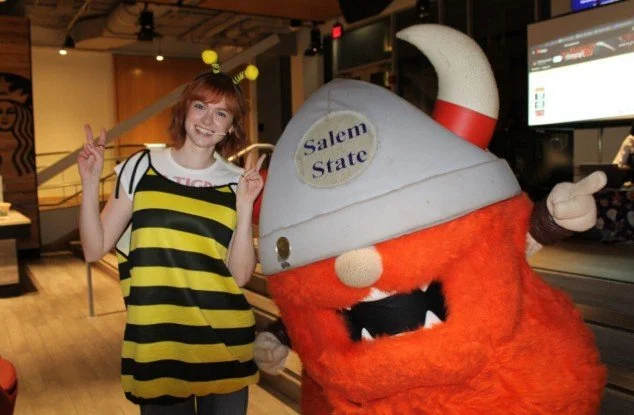
From the beginning of the semester, much of the work was about establishing a steady presence on campus and finding ways to start conversations with students who were not already involved in advocacy. We kicked off the Save the Bees campaign early in the fall and spent the following weeks doing outreach in as many settings as made sense. Students chalked sidewalks with information about pollinators and pesticides, tabled at orientation events, and talked with classmates in informal settings throughout the semester. One outreach space that ended up being more effective than expected was a campus karaoke night, where students were relaxed and open to quick conversations between songs.
I spent a lot of time working closely with student volunteers and leaders. That included helping them plan petition drives, prepare classroom presentations, and think through how to follow up with people who had already signed on. A lot of organizing is repetitive. You have the same conversations, answer the same questions, and keep track of many small details. Over time, that repetition is what allows a campaign to keep moving.
Salem in October added another layer to the work. The city becomes extremely busy during the Halloween season, and students decided to use that increased foot traffic as an opportunity to do outreach beyond campus. They organized “ZomBEES” petitioning during October, using costumes and signs to start conversations with both residents and visitors. It was a way of adapting the campaign to the place we were working in and taking advantage of a moment when a lot of people were already out in public spaces.
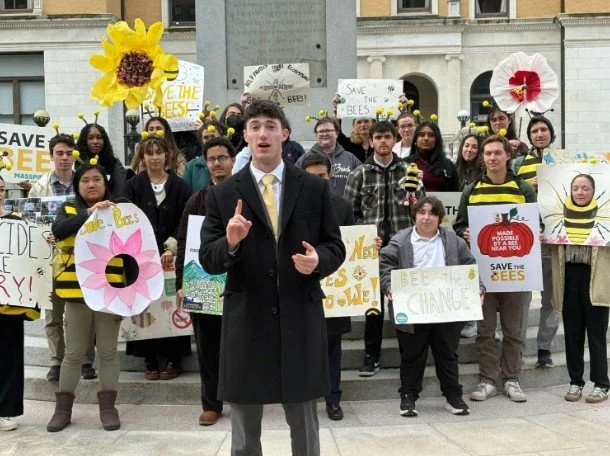
One of the most significant points in the semester was our advocacy day at the Massachusetts State House on October 27th. Students traveled to Boston to meet directly with their legislators and talk about why pollinator protection matters to them. For many students, it was their first time entering the State House or meeting with an elected official. I worked with students ahead of time to prepare for those meetings, talk through the policy details, and think about how to communicate their concerns clearly and directly.
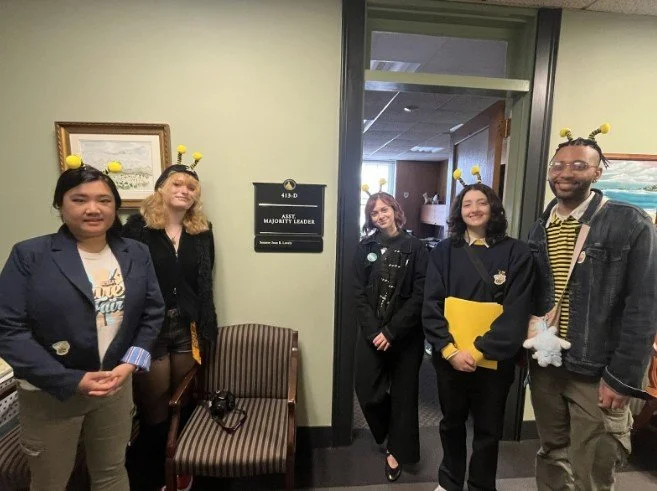
Watching students navigate those meetings reinforced how much capacity people have when they are supported and prepared. Students were able to ask questions, explain why the issue mattered to them, and better understand how the legislative process works. Those conversations would not have happened without sustained organizing and follow-through.
Over the course of the semester, MASSPIRG students across the state collected more than 10,000 petition signatures in support of restricting neonicotinoid-coated seeds. Those signatures reflected thousands of individual conversations and a steady level of engagement over time. Much of my role happened behind the scenes, coordinating outreach, tracking progress, and making sure students had what they needed to continue the work. Now, I’m looking forward to translating these skills to a new campaign this spring!
